
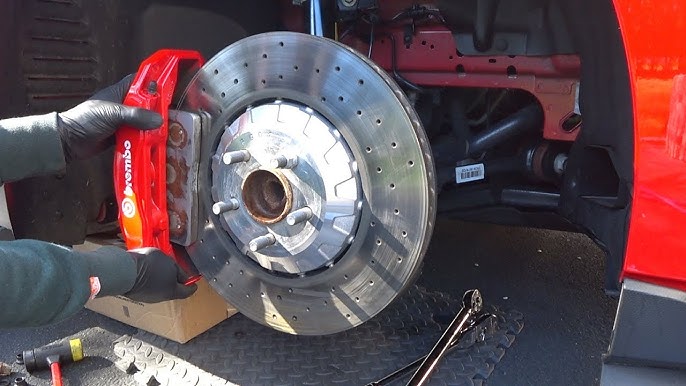
Brake pad wear is an inevitable part of vehicle maintenance. Understanding the factors that contribute to wear helps you extend their lifespan and ensure safety. It’s not just about replacing pads; it’s about understanding why they wear out in the first place.
Several factors influence brake pad wear, from driving habits to environmental conditions. Knowing these factors allows for proactive maintenance and prevention. It’s like knowing your enemy; you can prepare better.
Factors Affecting Brake Pad Wear
Driving habits significantly impact brake pad wear. Aggressive driving, characterized by hard braking and rapid acceleration, increases friction and heat. This leads to faster pad wear. You wouldn’t sprint a marathon, would you?
Vehicle type and weight also play a role. Heavy vehicles like trucks and SUVs require more braking force, causing pads to wear quicker. Road conditions, such as frequent stop and go traffic or hilly terrain, contribute to increased wear. It’s a matter of physics; more force, more wear.
Environmental Conditions and Wear
Environmental conditions also influence brake pad wear. Exposure to moisture and road salt can accelerate corrosion and wear. This is especially true in areas with harsh winters. It’s like leaving metal outside; it rusts.
Dirt and debris can also contribute to wear. These particles can become lodged between the pads and rotors, causing abrasion. Regular cleaning and maintenance can mitigate these effects. It’s like sweeping your floor; you remove the grit.
Practical Tips for Preventing Premature Wear
You can extend the life of your brake pads by adopting sensible driving habits. Avoiding sudden, hard braking reduces friction and heat. Coasting to a stop when possible minimizes wear. It’s about being smooth, not fast.
Regular maintenance is crucial. Inspecting the brake components for wear and damage ensures they function correctly. Keeping the brake components clean and properly lubricated prevents premature wear. It’s like brushing your teeth; prevention is key.
Choosing the Right Brake Pads for Longevity
Selecting the right brake pads for your driving conditions is essential. Consider the type of driving you do most often. Metallic or ceramic brake pads are suitable for heavy duty applications and offer good durability.
For everyday driving, ceramic or organic pads can offer a balance of performance and longevity. Researching and comparing different brands and materials helps you make an informed decision. Don’t just grab the first option; do your homework.
Regular Inspections and Timely Replacement
Regular inspections are crucial for monitoring brake pad wear. Checking the pads for thickness and damage ensures they function correctly. Timely replacement prevents damage to other brake components. It’s like changing your tires; you don’t wait until they are bald.
Ignoring worn brake pads can lead to costly repairs and safety hazards. Rotors can become damaged, requiring replacement. It’s cheaper to replace pads than rotors. Don’t be penny wise and pound foolish.
At NRS Brakes, we focus on producing brake pads that offer durability and longevity. We understand the importance of preventing premature wear. That’s why we use advanced technology and materials to create products that meet the highest standards. We strive to provide drivers with brake pads that last. Visit our website at https://nrsbrakes.com/ to explore our range of products and find the Best Brake Pads for your vehicle. We are dedicated to delivering products that contribute to safer and more reliable braking.
